

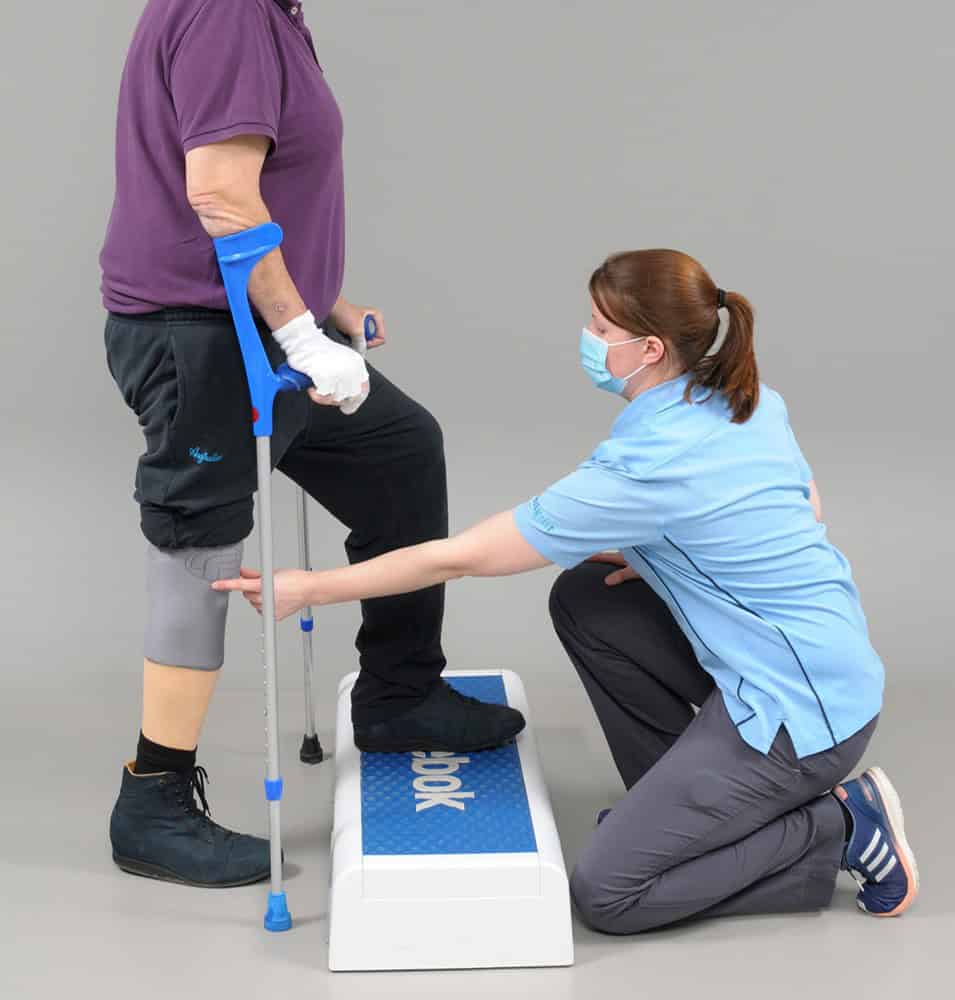
 Learning Mobility Anew: Physical Therapy After a Lower-Leg Amputation
€ 101
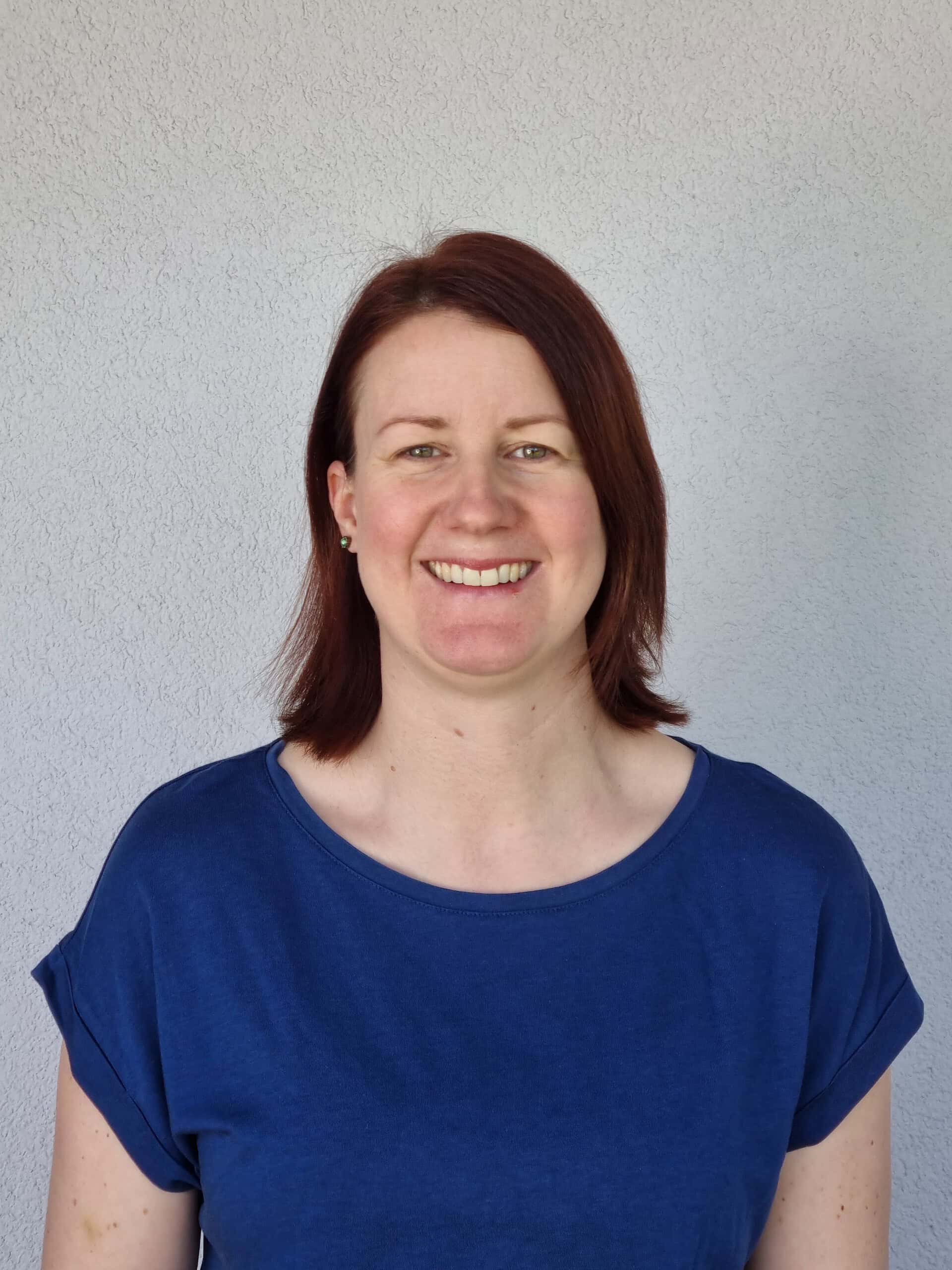
She has been working as a physical therapist at ZURZACH Care in the Zollikerberg Rehabilitation Clinic since 2025. She earned her bachelor’s degree in physical therapy in 2011 from ZHAW Winterthur. From 2014 to 2025, she worked at the Balgrist University Hospital, with a clear professional focus on the treatment of amputees. From 2017 to 2019, she also served as the program director for the amputation department there. In addition to her clinical work, she has been a lecturer since 2017 in the elective module “Amputation” for bachelor’s students in their 6th semester of physical therapy at ZHAW Winterthur. Since 2022, she has also been a board member of the APO (Swiss Working Group for Prosthetics and Orthotics).




"The course is very well structured, covers a lot of theoretical knowledge, and, thanks to the two case studies, directly applies that knowledge to real-world situations. I'm looking forward to putting what I've learned into practice." – Harieta F., Upper Limb Mobility
 Learning Mobility Anew: Physical Therapy After a Lower-Leg Amputation
You are currently viewing placeholder content from Vimeo. To access the actual content, click the button below. Please note that doing so will result in data being shared with third-party providers.
More InformationYou are currently viewing placeholder content from YouTube. To access the actual content, click the button below. Please note that doing so will result in data being shared with third-party providers.
More InformationYou need to load content from reCAPTCHA to submit the form. Please note that doing so will result in data being shared with third-party providers.
More InformationYou are currently viewing placeholder content from Google Maps. To access the actual content, click the button below. Please note that doing so will result in data being shared with third-party providers.
More InformationYou are currently viewing placeholder content from Vimeo. To access the actual content, click the button below. Please note that doing so will result in data being shared with third-party providers.
More InformationYou are currently viewing placeholder content from YouTube. To access the actual content, click the button below. Please note that doing so will result in data being shared with third-party providers.
More InformationYou are currently viewing placeholder content from Instagram. To view the actual content, click the button below. Please note that doing so will result in data being shared with third-party providers.
More InformationYou are currently viewing placeholder content from reCAPTCHA. To access the actual content, click the button below. Please note that doing so will result in data being shared with third-party providers.
More InformationYou need to load content from hCaptcha to submit the form. Please note that doing so will result in data being shared with third-party providers.
More InformationYou need to load content from reCAPTCHA to submit the form. Please note that doing so will result in data being shared with third-party providers.
More InformationYou are currently viewing placeholder content from Turnstile. To access the actual content, click the button below. Please note that doing so will result in data being shared with third-party providers.
More Information