- 4.8/5 Professional Ratings
Specialised Training for Rehabilitation Professionals. Practice-oriented. By professionals, for professionals.
Earn continuing education credits while building practical, evidence-based expertise in neurorehabilitation, paediatric rehabilitation, and functional training. Ready to apply in your daily practice.
Clinically
Relevant Content
Every course is grounded in clinical practice and informed by peer-reviewed evidence.
Accredited
Education
Earn recognised CPD credits while advancing your professional development.
Career
Advancement
Develop and strengthen knowledge and skills that you can directly apply in clinical practice.
Immediate Application & Flexible Learning
Start whenever you want and learn at your own pace. Download course handouts whenever you need them.
Trusted by
Clinics, Universities &
Healthcare Institutions
Recognized across rehabilitation medicine, clinical therapy and patient education for delivering evidence-based training and continuing education




1253
Paramedics took a course
Swiss made
Developed, quality-reviewed and hosted in Switzerland.
1613
Completed E-Learning
15 minutes
Average duration of a learning module, learnable even in clinical breaks.
4.75/5
Average based on 1204 reviews
0
boring PowerPoint Slides from the 90s, Promised.
16
Accredited Digital Learning
3 minutes
Until you can start.
Select it, pay it,
learn it!
Begin Your Training Now With Our Featured Courses In Rehabilitation & Therapy
Practical, case-based digital courses in neurorehabilitation, pediatric rehabilitation, and functional training – designed for real-world clinical application
Browse courses by level: From foundational concepts to advanced clinical applications.
Système nerveux central et autonome
Objectif : Du lernst, wie unser Zentralnervensystem aufgebaut ist und wie es funktioniert. Dabei geht es auch um Schädigungen und deren Auswirkungen auf Betroffene und Angehörige, sowie um Neuroplastizität.
Contenu :
- Première partie du cours : système nerveux central
- Partie 2 du cours : système nerveux autonome
- Partie 3 du cours : neuroplasticité
- Partie 4 du cours : test final
- thérapeutes* de tous les domaines (physiothérapie, ergothérapie, logopédie, thérapie sportive, etc.)
- Médecins
- Pédagogues curatifs
- Scientifiques du mouvement
- Infirmières et infirmiers
- Toute personne souhaitant en savoir plus sur le système nerveux central, ses fonctions, ses lésions et sa plasticité.
- 360-500 minutes
- Multilingual
€ 282
Dysfonctionnement cranio-mandibulaire (DCM) : évaluation et traitement
Dieser digitale Kurs vermittelt ein praxisnahes Verständnis von craniomandibulären Dysfunktionen (CMD), einer häufigen Ursache für Gesichts-, Kopf- und Kieferschmerzen, die etwa 10–15 % der Bevölkerung betreffen. Medizinische Fachpersonen erhalten aktuelles Wissen, evidenzbasierte Strategien und praktische Werkzeuge, um CMD-Symptome besser zu erkennen und Patient:innen aller Altersgruppen wirksam zu unterstützen. Der Kurs verbindet klinisches Denken mit alltagstauglichen Behandlungsansätzen für die physiotherapeutische Praxis und die betriebliche Gesundheitsförderung.
Teacher: Janne Säkkinen, PT
Contenu :
- Introduction au sujet
- Contexte CMD
- Anatomie, physiologie et physiopathologie
- De l'anamnèse aux évaluations
- Traitement cranio-mandibulaire et cranio-facial
- Traitement cranio-cervical et thoracique
- Raisonnement clinique intégratif dans le traitement des troubles de l'articulation temporo-mandibulaire
- Brève vérification des connaissances
- Physiothérapeutes
- Ergothérapeutes
- Scientifiques du mouvement
- Médecins
- Infirmières et infirmiers
- 240 minutes
- Multilingual
€ 119
Entraînement neurocentré – une introduction
In diesem Kurs lernst du, wie das Gehirn Bewegung, Schmerz und Leistung steuert – und wie Du dieses Wissen gezielt in Training, Rehabilitation und Gesundheitsförderung einsetzt. Neurozentriertes Training hilft Dir, das Gefahrenlevel des Nervensystems zu senken, Schmerzen zu reduzieren und Leistungsfähigkeit sowie Selbstregulation nachhaltig zu verbessern.
Teacher: Myrtha Nussbaumer von neuronuss
Contenu :
- Définitions
- Systèmes d'entrée
- Conditions préalables et état d'esprit
- Neuroplasticité et entraînement
- Contrôle des connaissances
- Physiothérapeutes
- Ergothérapeutes
- Thérapeutes sportifs
- Scientifiques du mouvement
- Médecins
- Toutes les personnes intéressées par l'entraînement neurocentré
- 90 minutes
- German
€ 59
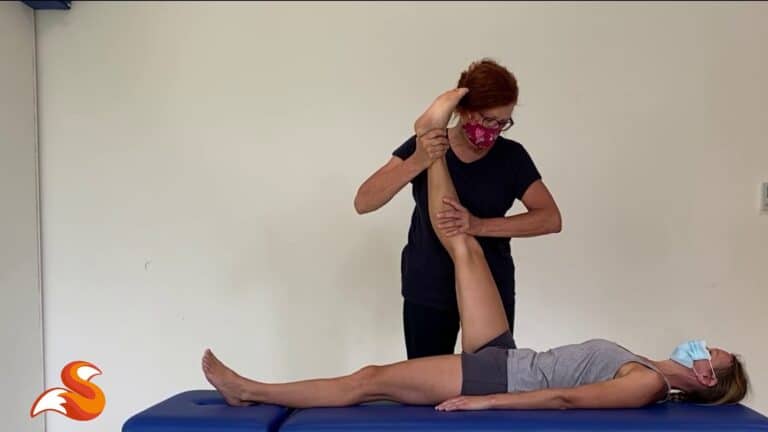
Intégration de la neurodynamique dans la neuroréhabilitation (INN®) Expert 2 : Tests neurodynamiques
Dans ce cours, tu apprendras à utiliser les tests neurodynamiques spécifiquement pour les personnes souffrant de troubles neurologiques. Une autre partie importante du cours est la palpation des nerfs périphériques, afin de connaître leurs trajets et d'obtenir des informations supplémentaires pour l'interprétation des résultats des tests.
Contenu :
- Première partie du cours : bases des tests
- Partie 2 du cours : tests des membres inférieurs et du tronc
- Partie 3 du cours : tests du membre supérieur
- thérapeutes* de tous les domaines (physiothérapie, ergothérapie, logopédie, thérapie sportive, etc.)
- Médecins
- Pédagogues curatifs
- Scientifiques du mouvement
- Toute personne travaillant avec des personnes souffrant d'une lésion cérébrale et souhaitant en savoir plus sur le lien entre structure, fonction, activité et autonomie.
- 360 minutes
- German
€ 474
Système nerveux central et autonome
Objectif : Du lernst, wie unser Zentralnervensystem aufgebaut ist und wie es funktioniert. Dabei geht es auch um Schädigungen und deren Auswirkungen auf Betroffene und Angehörige, sowie um Neuroplastizität.
Contenu :
- Première partie du cours : système nerveux central
- Partie 2 du cours : système nerveux autonome
- Partie 3 du cours : neuroplasticité
- Partie 4 du cours : test final
- thérapeutes* de tous les domaines (physiothérapie, ergothérapie, logopédie, thérapie sportive, etc.)
- Médecins
- Pédagogues curatifs
- Scientifiques du mouvement
- Infirmières et infirmiers
- Toute personne souhaitant en savoir plus sur le système nerveux central, ses fonctions, ses lésions et sa plasticité.
- 360-500 minutes
- Multilingual
€ 282
Dysfonctionnement cranio-mandibulaire (DCM) : évaluation et traitement
Dieser digitale Kurs vermittelt ein praxisnahes Verständnis von craniomandibulären Dysfunktionen (CMD), einer häufigen Ursache für Gesichts-, Kopf- und Kieferschmerzen, die etwa 10–15 % der Bevölkerung betreffen. Medizinische Fachpersonen erhalten aktuelles Wissen, evidenzbasierte Strategien und praktische Werkzeuge, um CMD-Symptome besser zu erkennen und Patient:innen aller Altersgruppen wirksam zu unterstützen. Der Kurs verbindet klinisches Denken mit alltagstauglichen Behandlungsansätzen für die physiotherapeutische Praxis und die betriebliche Gesundheitsförderung.
Teacher: Janne Säkkinen, PT
Contenu :
- Introduction au sujet
- Contexte CMD
- Anatomie, physiologie et physiopathologie
- De l'anamnèse aux évaluations
- Traitement cranio-mandibulaire et cranio-facial
- Traitement cranio-cervical et thoracique
- Raisonnement clinique intégratif dans le traitement des troubles de l'articulation temporo-mandibulaire
- Brève vérification des connaissances
- Physiothérapeutes
- Ergothérapeutes
- Scientifiques du mouvement
- Médecins
- Infirmières et infirmiers
- 240 minutes
- Multilingual
€ 119
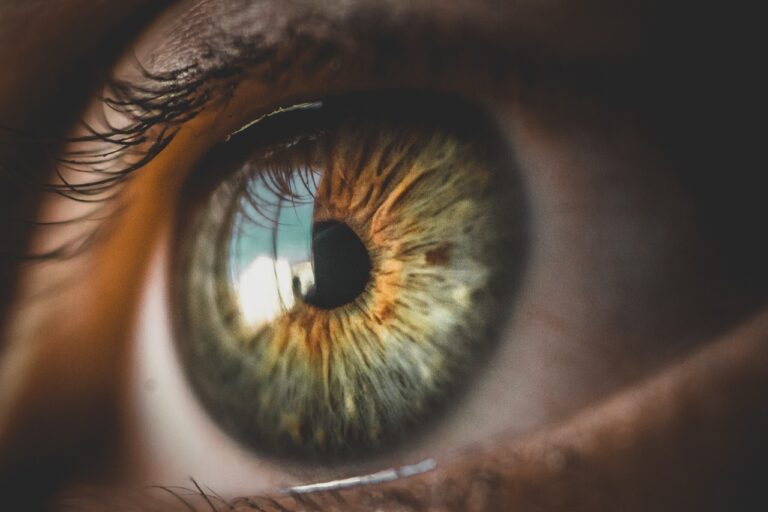
Basse vision : bases, diagnostic & mesures de soutien
Dans ce cours, tu apprendras ce que signifie réellement la "basse vision" et comment les limitations visuelles influencent la vie quotidienne. Apprends à mieux comprendre le comportement des personnes concernées et à les soutenir de manière ciblée.
Contenu :-
- Introduction au thème
- Définitions & termes
- Développement & déviations de la vision
- Examen & thérapie
- Mesures de soutien & aides au quotidien
- Brève vérification des connaissances
- 90 minutes
- Multilingual
€ 53
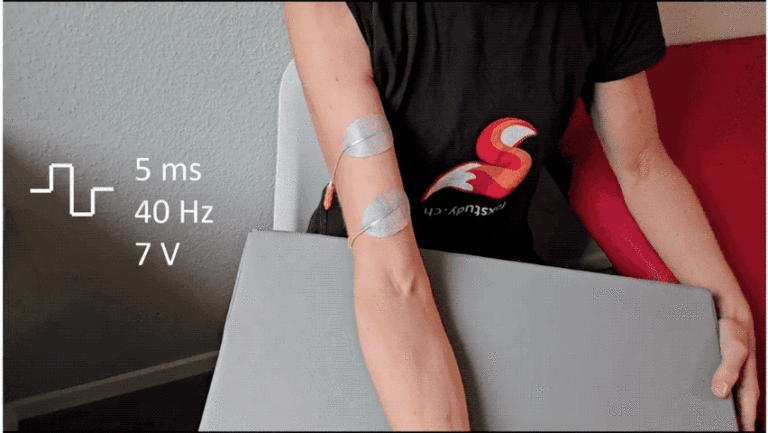
Comprendre et utiliser l'électrostimulation moderne
Dans ce cours, tu te familiariseras avec l'électrostimulation et tu sauras ensuite comment l'utiliser dans ton quotidien thérapeutique.
Contenu :- Introduction à l'électrostimulation
- Electrostimulation en cas de lésion du 1er motoneurone
- Electrostimulation en cas de lésion du 2e motoneurone
- Évidence de l'électrostimulation
- Test final
- 90 minutes
- German
€ 59
Entraînement neurocentré – une introduction
In diesem Kurs lernst du, wie das Gehirn Bewegung, Schmerz und Leistung steuert – und wie Du dieses Wissen gezielt in Training, Rehabilitation und Gesundheitsförderung einsetzt. Neurozentriertes Training hilft Dir, das Gefahrenlevel des Nervensystems zu senken, Schmerzen zu reduzieren und Leistungsfähigkeit sowie Selbstregulation nachhaltig zu verbessern.
Teacher: Myrtha Nussbaumer von neuronuss
Contenu :
- Définitions
- Systèmes d'entrée
- Conditions préalables et état d'esprit
- Neuroplasticité et entraînement
- Contrôle des connaissances
- Physiothérapeutes
- Ergothérapeutes
- Thérapeutes sportifs
- Scientifiques du mouvement
- Médecins
- Toutes les personnes intéressées par l'entraînement neurocentré
- 90 minutes
- German
€ 59
BeSmart - Comprendre et fixer correctement les objectifs thérapeutiques
Dans ce cours, tu apprendras comment réussir à formuler des objectifs de manière professionnelle et comment les appliquer dans le quotidien de la thérapie.
Contenu :- Les niveaux de la CIF, en particulier les facteurs environnementaux et les facteurs liés à la personne
- Implication des proches, ressources et barrières
- Bottom Up et Top Down
- Distinction entre performance et capacité
- Indépendant - qu'est-ce que cela signifie pour l'objectif ?
- SMART
- Test final
- thérapeutes* de tous les domaines (physiothérapie, ergothérapie, logopédie, thérapie sportive, etc.)
- Infirmières et infirmiers
- Médecins (crédits CME)
- Pédagogues curatifs
- Scientifiques du mouvement
- 60 minutes
- German
€ 35
Comprendre et appliquer la CIF
Objectif : La CIF en tant que modèle de pensée nous aide énormément dans notre travail quotidien et pour cela, nous n'avons pas besoin de la connaître dans les moindres détails. Dans ce cours, tu apprendras comment la CIF est structurée et pourquoi ce modèle t'aide à comprendre les relations complexes qui impliquent des changements dans l'état de santé.
Contenu :
- La description de la CIF
- Le modèle bio-psycho-social
- Diagnostic et CIF en relation
- Modèle de pensée et application
- Test final
- 60 minutes
- German
€ 35
Intégration de la neurodynamique dans la neuroréhabilitation (INN®) Expert 2 : Tests neurodynamiques
Dans ce cours, tu apprendras à utiliser les tests neurodynamiques spécifiquement pour les personnes souffrant de troubles neurologiques. Une autre partie importante du cours est la palpation des nerfs périphériques, afin de connaître leurs trajets et d'obtenir des informations supplémentaires pour l'interprétation des résultats des tests.
Contenu :
- Première partie du cours : bases des tests
- Partie 2 du cours : tests des membres inférieurs et du tronc
- Partie 3 du cours : tests du membre supérieur
- thérapeutes* de tous les domaines (physiothérapie, ergothérapie, logopédie, thérapie sportive, etc.)
- Médecins
- Pédagogues curatifs
- Scientifiques du mouvement
- Toute personne travaillant avec des personnes souffrant d'une lésion cérébrale et souhaitant en savoir plus sur le lien entre structure, fonction, activité et autonomie.
- 360 minutes
- German
€ 474
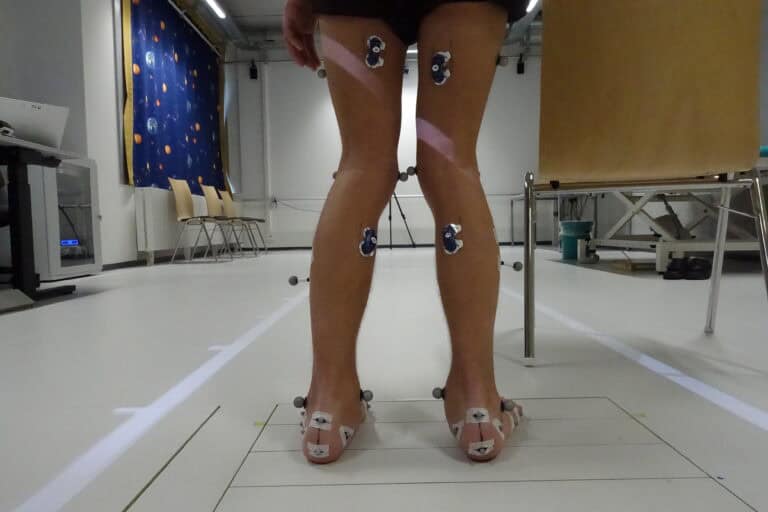
Comprendre et traiter la mastication
Objectif : Tu es en mesure d'analyser et de comprendre de manière différenciée les composantes de l'origine de la mastication. Tu reconnais l'influence de la sensorialité et tu peux en déduire des stratégies thérapeutiques - tu peux ainsi renforcer les capacités fonctionnelles de tes patients*, prévenir les rechutes et accompagner des changements durables.
Contenu :-
- Introduction au thème
- Somatosensorialité & mastication
- Développement de la mastication
- Traitement et prophylaxie de la mastication
- Test final
- 120 minutes
- German
€ 118

Intégration de la neurodynamique dans la neuroréhabilitation (INN®) Expert 1 : Principes, développement et application
Tu veux en savoir plus sur l'analyse de l'action et du mouvement en tenant compte de la mobilité neuronale ? Dans ce cours d'experts INN®, tu apprendras les bases théoriques en relation avec des exemples pratiques.
Contenu :
- Première partie du cours : bases, développement et application
- Partie 2 du cours : système nerveux périphérique
- Partie 3 du cours : le système nerveux en tant qu'unité
- Partie 4 du cours : test final
- thérapeutes* de tous les domaines (physiothérapie, ergothérapie, logopédie, thérapie sportive, etc.)
- Médecins
- Pédagogues curatifs
- Scientifiques du mouvement
- Toute personne travaillant avec des personnes souffrant d'une lésion cérébrale et souhaitant en savoir plus sur le lien entre structure, fonction, activité et autonomie.
- 240 minutes
- German
€ 331
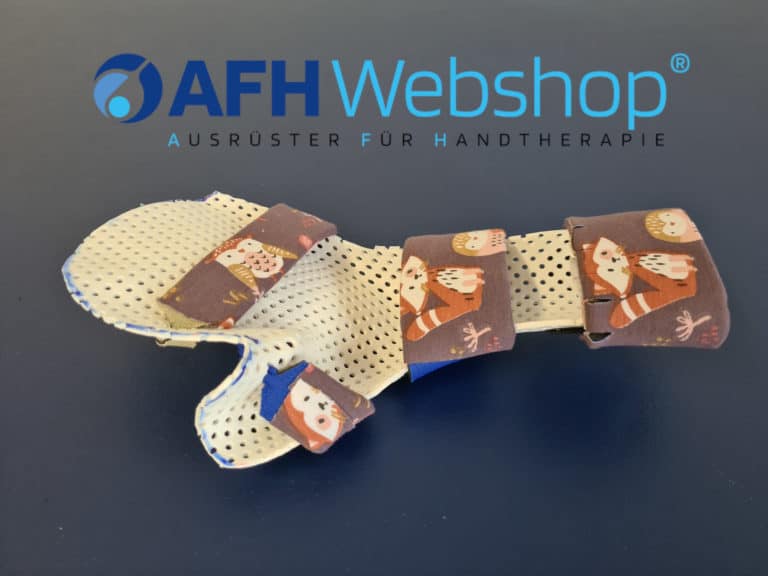
Atelier de l'AFH : Attelles manuelles pour la prophylaxie des contractures et des déformations en neuropédiatrie
Objectif : Lors de cet atelier de l'AFH en coopération avec foxstudy, tu apprends à effectuer de manière autonome un constat sur des patients*, à prendre une décision sur la nécessité d'une attelle manuelle et à fabriquer une attelle manuelle.
Contenu :
- Première partie du cours : introduction et bases
- Partie 2 du cours : ton diagnostic
- Partie 3 du cours : production et évidence
- Partie 4 du cours : test final
- German
€ 138
Entraînement de l'hippocampe - sueur, plaisir et bonne compagnie
Dans ce cours, vous découvrirez les éléments essentiels au bien-être des enfants souffrant de troubles psychiques.
Contenu :-
-
Introduction au thème
-
Santé mentale chez les enfants et les adolescents
-
Système nerveux soumis à un stress permanent
-
Entraînement aux hippocampes
-
Brève vérification des connaissances
-
- 45 minutes
- German
€ 26

Systèmes de classification de la paralysie cérébrale
Grâce à ce cours gratuit, tu obtiendras un aperçu des systèmes de classification actuellement disponibles pour les personnes atteintes de paralysie cérébrale. En outre, nous avons ajouté un chapitre sur les bases scientifiques, afin que tu sois informé(e) de manière exhaustive sur les études actuelles.
Langue du cours : allemand Public cible : Physiotherapeut*innen, Ergotherapeut*innen, Ärztinnen und Ärzte, Sporttherapeut*innen, Pädagog*innen, Neuropsycholog*innen, Pflegefachpersonen und alle, die unsere foxstudy Kurse besser kennenlernen möchten. Il te faut : Computer, Laptop, Tablet oder Mobiltelefon Durée de la formation: 30 Minuten Durée d'accès au cours : 6 mois- 30 Minuten
- German
€ 0
Start Learning in Four Steps
01
02
03
04
Choose Your Course
Browse digital courses in rehabilitation and therapy by level and clinical focus.
Learn at Your Own Pace
Access your digital learning whenever it fits your busy healthcare schedule
Download your Certificate
Use it to claim credits for continuous education.
Apply in Practice
Master evidence-based techniques and pass your new expertise straight on to your clients.
Our Faculty
Learn From The Best in Physiotherapy
& Neurorehabilitation
Our courses are led by experienced clinicians specializing in neurorehabilitation, paediatric rehabilitation, and functional training.
Clinical Neuropsychologist
Dr. phil. Kevin Wingeier
Specialist in clinical neuropsychology and executive function disorders
Physiotherapist
Pernille Thomsen, PT
Specialist in neurophysiology-based therapy for anxiety, stress and mental health in children and adolescents
Pediatric Physiotherapist
Dr. Judith Graser, PT
Specialist in pediatric physical therapy and motor learning
Neuroorthopedic Surgeon
Prof. Dr. med. Reinald Brunner
Specialist in neuroorthopaedics and gait analysis
Physiotherapist
Franzi Spreitler, MSc. PT
Specialist in neurorehabilitation and SMART goal setting in pediatric therapy
Physiotherapist
Myrtha Nussbaumer, MSc. PT
Specialist in vestibular vertigo therapy and concussion management
Physiotherapist
Nora Kern, MSc. PT
Specialist in neurodynamics in neurorehabilitation
Physiotherapist
Thomas Schick, MSc. PT:
Specialist in Functional Electrical Stimulation (FES) and neurorehabilitation
Physiotherapist
Janne Säkkinen, kinésithérapeute
Specialist in Orthopedic Manual Therapy and occupational musculoskeletal rehabilitation
Physiotherapist
Sue Santschi
Specialist in orthoptics and low vision care
Physiotherapist
Dr. med. Beat Knecht
Specialist in pediatric rehabilitation and the ICF framework
Continuing Education for Healthcare Professionals
Flexible online learning designed for individual practitioners and
clinical teams.
For Clinicians
Advance your clinical skills with flexible, self-paced rehabilitation and therapy
courses.
- Learn evidence-based therapy and rehabilitation approaches
- Earn CE/CPD credits and download your certificate
- Apply your skills immediately in practice
For Clinics & Institutions
Train your team with structured rehabilitation programs designed for measurable clinical impact.
- Bring your entire team to a shared level of knowledge and practice
- Enable your clients to benefit from high-quality, evidence-based treatment
- Become an attractive employer and support your team’s professional growth
Projects & Partnerships
foxstudy evaluates and develops digital training solutions in multiple countries together with NGOs and foundations.
- Information and training platform for beneficiaries and parents in Switzerland.
- Institutional audits of pediatric rehabilitation departments in middle and low resource settings
- Development of pediatric physical therapy trainings and concept in Ethiopia
Scalable Education for Therapy and Rehabilitation Departments
Trusted by therapists, medical doctors and rehabilitation professionals worldwide.
"The course is very well structured, contains a lot of theoretical knowledge and is also put directly into practice with the two case studies. I am looking forward to being able to apply the knowledge I have acquired."

Harieta F.Mobility of the upper extremities
"I found the course very exciting, with a logical flow and lots of good suggestions for everyday life."

Christa S. Executive functions
"Balanced relationship between theory and practice, knowledge transfer and self-control, very exciting and instructive!"
Carina L. Mobility of the upper extremities
"Fox reading aloud, multiple-choice questions to answer, video explanations and drawings make it varied, interesting and exciting! Bravo"
Johanna A. Understanding and applying the ICF
"The training is very well structured and organized. Good repetition of the anatomy and subsequent explanation for splint construction."
Alexandra Z. Hand splints in neuropediatrics
"Thank you very much for this free course. I only knew the GMFCS and the MACS level before. But as a speech therapist, the CFCS is also very interesting for me. "
Bianca P.Classification systems CP
"Super good concept and great structure, the questions in the final test could vary a little from the course content to really check understanding."
Katharina M.Understanding and applying the ICF
"Best lesson in cerebral palsy for the upper extremities I have ever had in 35 years of professional experience!"
Jürgen B.Mobility of the upper extremities
"I really liked the patient examples. As well as the repetition with the questions. Overall, it was a great, intensive course that lasted more than 8 hours 😉 "
Sophie O. Central and autonomic nervous system
"The course is very well structured, contains a lot of theoretical knowledge and is also put directly into practice with the two case studies. I am looking forward to being able to apply the knowledge I have acquired."
Harieta F.Mobility of the upper extremities
"I have realized how important neurodynamics is in neurological rehabilitation and will approach my patients with a different mindset in the future. Thank you for the good overview and the interactive structure. The individual patient examples were also very helpful."
Bettina T. Integration of neurodynamics into neurorehabilitation
"Thank you for such a valuable tool! I appreciate the high standard of clear, evidence-based and practical presentation - it's a success. And of course I'm delighted that it doesn't cost anything, which makes it easy to spread the word."
Maria D.Classification systems CP
"I was hoping for an update on the subject of neuroplasticity. I have now learned a lot of new things that can be clearly related to practice. I really appreciated the fact that I was able to work through the lessons more than once and interrupt them at any time."
Yael B.Central and autonomic nervous system
"The course was very intensive, took me longer than 5 hours of study and helped me a lot with my understanding. I think home study with free time organization is great!"
Elke T. Normal walking
Frequently Asked Questions
What type of Courses are there?
We have divided our courses into the following categories:
- Snippet: Snippets are short and precise spotlights on a very specific subtopic. These courses are usually quick and inexpensive.
- Essential: Essentials delve into a specific, narrower topic. This will give you an insight and you will then be familiar with the essentials.
- Basic: Basic courses offer you broad and in-depth access to various basic topics. This allows you to expand your specialist knowledge.
- Expert: Expert courses require prior knowledge, as they delve deep into the subject matter. They impress with content that you can use in your everyday life.
How can I pay for courses?
You can pay for our courses either by prepayment (Paypal or major credit cards) or by invoice. Please note that if you pay by invoice, you will only have access to the purchased course after we have received your payment.
How can I cancel a purchased course?
As all the contents of a course are available to you from the time of purchase and are therefore theoretically downloadable, you waive your right of withdrawal with the purchase. However, if you are not at all satisfied with a course, please contact us and we will find a solution!
What Exactly can I expect?
You can expect topical, digital continuing education courses that are presented in an exciting way and have not been available in this form before. At foxstudy, we focus on quality in terms of content and presentation and carefully select our lecturers.
What are the technical requirements?
If you have come to this page, then you already meet most of the requirements. Basically, our courses are designed so that you can use them with all common computers, laptops and tablets. You can even do some courses on your cell phone, but in many courses we use elements that do not always work on cell phones. We therefore recommend that you use computers, laptops or tablets for our courses.