

Integration of Neurodynamics in Neurorehabilitation (INN®) Expert 1: Basics, Development and Application

In Part 1 of the INN® series, we focus on the basics of integrating neurodynamics into neurorehabilitation.
Nora Kern PT MSc und Petra Marsico PT MSc
4.2/5
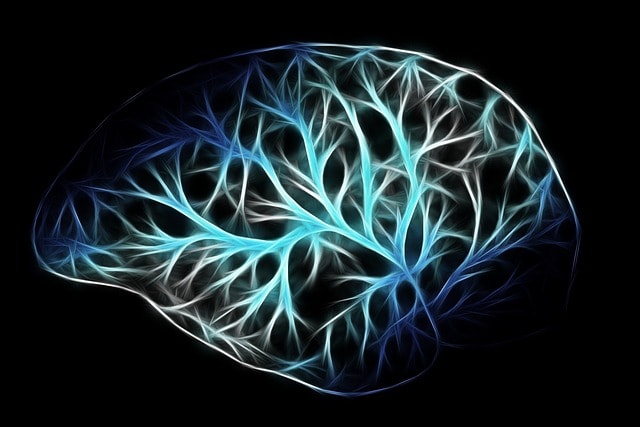
INN Spider web

 331

Course Details:

240 minutes

6 months

Course Overview

How does neural mobility influence movement, behaviour, and recovery after a brain injury?

This course introduces the Integration of Neurodynamics in Neurorehabilitation (INN®) thinking model, providing the theoretical foundation needed to understand the relationship between the central and peripheral nervous systems. Through practical examples, you’ll explore how neurodynamics contributes to movement analysis, clinical reasoning, and rehabilitation.

You’ll gain a deeper understanding of the anatomy, biomechanics, and physiology of peripheral nerves while learning to view the nervous system as one interconnected continuum. The course explains how brain lesions influence peripheral nerve function and how this knowledge can improve rehabilitation planning and patient outcomes.

As Part 1 of the INN® Basic Digital Course, this programme provides the essential theoretical foundation for the complete Integration of Neurodynamics in Neurorehabilitation (INN®) Basic Course. Completing all four INN® Expert courses awards the Basic Course certificate, which qualifies participants to attend INN® practical courses.

  • Neurodynamic movement analysis
  • Neurorehabilitation assessment
  • Understanding peripheral nerve function
  • Clinical reasoning after brain injury
  • Integrating neurodynamics into rehabilitation
  • Applying the INN® thinking model in practice
  • Understand the principles and development of the INN® concept
  • Explore the biomechanics and physiology of the peripheral nervous system
  • Recognise the nervous system as one integrated functional unit
  • Understand how brain lesions affect peripheral nerve function
  • Apply neurodynamic principles to rehabilitation and movement analysis
  • Build a foundation for advanced INN® clinical practice

Course Content

Part 1: Basics, Development & Application

Target Audience

Meet the Instructor

Nora Kern —
MSc PT, OMPT

Nora Kern specialises in neurorehabilitation, neurodynamic assessment, and clinical reasoning. Her teaching focuses on helping clinicians differentiate between structural causes of movement limitations while adapting neurodynamic testing for people with brain injuries and children. She emphasises evidence-based reassessment to improve function, participation, and quality of life.

Dr. Petra Marsico—
MSc PT

Dr. Petra Marsico specialises in paediatric neurorehabilitation and movement analysis. Through neurodynamic testing, she helps clinicians better understand movement behaviour in children and adolescents with neurological and musculoskeletal conditions, enabling more precise treatment and greater functional independence.

Continuing Education Credits & Certificate

This course qualifies for continuing education credits from recognized professional associations.

Certificate

Upon completion, you will automatically receive a personalised certificate confirming your continuing education participation.
This course is Part 1 of the INN® Basic Digital Course. Completing all four INN® Expert courses awards the INN® Basic Course Certificate, which qualifies participants to attend INN® practical courses. Our certificate of participation may also be submitted to professional associations as part of CPD and continuing education applications.

Overall rating of the course

Comments

Christine am 10.07.2026
Very exciting
It makes me want more; I would have liked to have had that in this course…
Daniela am 18.05.2026
A systematic, well-structured, and highly informative e-learning course
The clear video examples, images, and explanations. The thoroughly researched references and frequent references to patients.
Rob am 26.08.2026
Vielen Dank Daniela für das liebe Feedback - dein foxstudy-Team
Romina on April 6, 2026
Effective learning method—but not yet applicable in practice
A very clear and easy-to-understand course on a complex topic, though I’m not yet able to apply what I’ve learned in practice.
Sophie on 09.02.2025
Very good introduction to neurodynamics and the peripheral nervous system
It is a very interactive and interesting course. It is well structured and was a good deepening for me. Many practical examples that I try to implement in everyday therapy.
Miriam on 12/02/2024
Clear and appealing course
Logical structure, pleasant language and presentations, latest scientific findings, nice scripts. I look forward to deepening and concretely applying the new findings.

Peer Review

Christine Zehr

Pediatric Physiotherapist, CAS in Developmental Neurological Therapy Bobath Baby, Lucerne Children's Hospital

An engaging course that brings the connection between biomechanics and physiology sharply into focus. The hands-on videos and well-designed tables make complex topics accessible and offer valuable input for everyday therapy practice.”

Ready to Build Your Foundation in Neurodynamics?

Related Courses

Central and autonomic nervous system

Goal: Du lernst, wie unser Zentralnervensystem aufgebaut ist und wie es funktioniert. Dabei geht es auch um Schädigungen und deren Auswirkungen auf Betroffene und Angehörige, sowie um Neuroplastizität. Contents:
  • Course part 1: Central nervous system
  • Course part 2: Autonomic nervous system
  • Course part 3: Neuroplasticity
  • Course part 4: Final test
Course language: Du kannst zwischen Deutsch und Französisch wählen. Target audience:
  • Therapists from all areas (physiotherapy, occupational therapy, speech therapy, sports therapy, etc.)
  • Doctors and physicians
  • Curative educators
  • Movement scientists
  • Nurses
  • Anyone who wants to learn more about the central nervous system, its functions, damage and plasticity.
You will need: Computer, laptop, or tablet Study time: 360-500 minutes Course duration: 6 months

Craniomandibular Dysfunction (CMD): Assessment & Treatment

Dieser digitale Kurs vermittelt ein praxisnahes Verständnis von craniomandibulären Dysfunktionen (CMD), einer häufigen Ursache für Gesichts-, Kopf- und Kieferschmerzen, die etwa 10–15 % der Bevölkerung betreffen. Medizinische Fachpersonen erhalten aktuelles Wissen, evidenzbasierte Strategien und praktische Werkzeuge, um CMD-Symptome besser zu erkennen und Patient:innen aller Altersgruppen wirksam zu unterstützen. Der Kurs verbindet klinisches Denken mit alltagstauglichen Behandlungsansätzen für die physiotherapeutische Praxis und die betriebliche Gesundheitsförderung. Teacher: Janne Säkkinen, PT Contents:
  • Introduction to the Topic
  • Background CMD
  • Anatomy, Physiology & Pathophysiology
  • From the Medical History to the Assessments
  • Craniomandibular & Craniofacial Treatment
  • Craniocervical and Thoracic Treatment
  • Integrative Clinical Reasoning in the Treatment of CMD
  • Short knowledge check
Course languages: German and English Target audience:
  • Physical therapists
  • Occupational therapists
  • movement scientists
  • Doctors and physicians
  • Nurses
You will need: Computer, laptop, or tablet Study time: 240 minutes Course duration: 6 months
A walnut cut in half with the shell open, focusing on the brain structure.

Neuro-centered training – an introduction

In diesem Kurs lernst du, wie das Gehirn Bewegung, Schmerz und Leistung steuert – und wie Du dieses Wissen gezielt in Training, Rehabilitation und Gesundheitsförderung einsetzt. Neurozentriertes Training hilft Dir, das Gefahrenlevel des Nervensystems zu senken, Schmerzen zu reduzieren und Leistungsfähigkeit sowie Selbstregulation nachhaltig zu verbessern. Teacher: Myrtha Nussbaumer von neuronuss Contents:
  • Explanations of terms
  • input systems
  • Basic requirements & mindset
  • Neuroplasticity & Training
  • Knowledge check
Course language: German Target audience:
  • Physical therapists
  • Occupational therapists
  • Sports therapists
  • movement scientists
  • Doctors and physicians
  • All individuals interested in neurocentric training
You will need: Computer, laptop, or tablet Study time: 90 minutes Course duration: 6 months

Integration of neurodynamics into neurorehabilitation (INN®) Expert 2: Neurodynamic tests

In this course, you will learn how to apply neurodynamic tests specifically to people with neurological impairments. Another important part of the course is the palpation of peripheral nerves in order to familiarize yourself with their courses and to obtain further information on the interpretation of the test findings. Contents:
  • Course part 1: Test basics
  • Course part 2: Tests of the lower extremities and trunk
  • Course part 3: Tests of the upper extremity
Course language: German Target audience:
  • Therapists from all areas (physiotherapy, occupational therapy, speech therapy, sports therapy, etc.)
  • Doctors and physicians
  • Curative educators
  • Movement scientists
  • Anyone who works with people with a brain lesion and would like to know more about the relationship between structure, function, activity and independence.
You will need: Computer, laptop, or tablet Study time: 360 minutes Course duration: 6 months

Scalable Education for Therapy and Rehabilitation Departments

Trusted by therapists, doctors, and rehabilitation professionals worldwide.

Shopping cart
Cancel the contract
INN Spider webIntegration of Neurodynamics in Neurorehabilitation (INN®) Expert 1: Basics, Development and Application
 331
Scroll up