



Classification systems Cerebral palsy

This free course provides an overview of the current classification systems for individuals with cerebral palsy.
Fox
4.9/5
Cover picture Classification systems

 0

Course Details:

30 minutes

6 months

Course Overview

How can classification systems improve assessment and treatment planning for people with cerebral palsy?

This introductory course provides an overview of the major functional classification systems used in cerebral palsy, including those related to mobility, hand function, and feeding. You’ll learn how these frameworks support clinical decision-making, rehabilitation planning, and goal setting across different healthcare settings.

The course also reviews the current scientific evidence behind these classification systems, helping clinicians understand their strengths, practical applications, and role in evidence-based care.

  • Functional assessment in cerebral palsy
  • Rehabilitation planning
  • Goal setting
  • Clinical communication
  • Evidence-based clinical practice
  • Understand the purpose of cerebral palsy classification systems
  • Explore functional classification across multiple domains
  • Learn how classification systems support therapy planning
  • Review the current scientific evidence for their clinical use

Course Content

Target Audience

Overall rating of the course

Comments

Gertrud on January 2, 2026
Very good structure
Scientific work is easy to understand, everything is explained very well.
Heike on 23.01.2025
very good
great overview of the classifications. I was only familiar with the GMFCS. So I learned a lot, thank you.
Sophie on 27.12.2024
Great overview
This course gave me a good overview of all the classification systems and how they relate to each other. I also got good tips for my everyday life in therapy on how to deal better with these classifications. Thank you!
Elisa on 17.11.2024
interesting
more correlation across the different classification systems
Sophia on 22.08.2024
Short and crisp
Brief overview, clear. The sound quality of the texts that are read aloud is somewhat poor or quiet.

Peer Review

Peer review coming soon

Ready to Build Your Understanding of Cerebral Palsy Classification Systems?

Related Courses

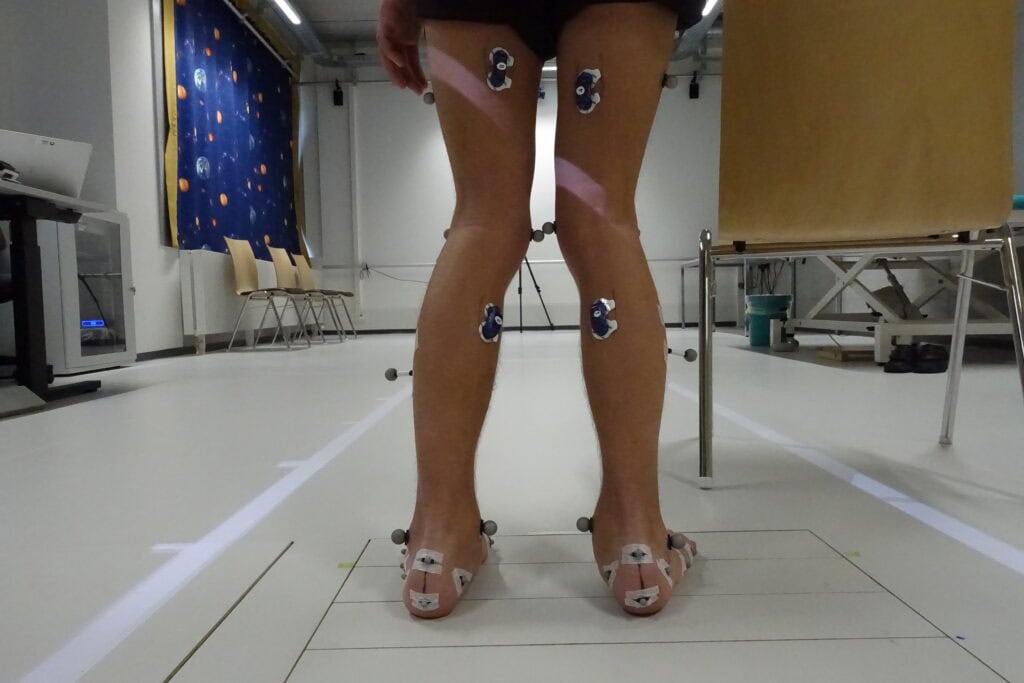
Understanding & treating crouch gait

Goal: You will be able to analyze and understand the components that lead to the crouch gait. You will recognize the influence of the sensory system and be able to derive therapeutic strategies from this - enabling you to strengthen your patients' functional abilities, prevent relapses and support lasting changes.

Contents:
    • Introduction to the topic
    • Somatosensory system & crouch gait
    • Development of the crouch gait
    • Treatment & prophylaxis for crouch gait
    • Final test
Course language: Deutsch Target audience: All professionals involved in the analysis of gait, e.g.: • Physiotherapeut*innen • Sporttherapeut*innen • Ärztinnen und Ärzte • Bewegungswissenschaftler*innen • Orthopädietechniker You will need: Computer, laptop, or tablet Study time: 120 minutes Course duration: 6 months

Low vision: basics, diagnostics & support measures

In this course, you will learn what "low vision" really means and how visual impairments affect everyday life. Learn to better understand the behavior of affected people and how to provide them with targeted support.

Contents:
    • Introduction to the topic
    • Definitions & terms
    • Development & deviations of vision
    • Examination & therapy
    • Support measures & help in everyday life
    • Short knowledge check
Course language: Deutsch, Englisch Target audience: • Therapeut*innen aus allen Bereichen (Physiotherapie, Ergotherapie, Logopädie, Sporttherapie usw.) • Pflegefachpersonen • Ärztinnen und Ärzte • Heilpädagog*innen und Lehrpersonen • Bewegungswissenschaftler*innen You will need: Computer, laptop, or tablet Study time: 90 minutes Course duration: 6 months

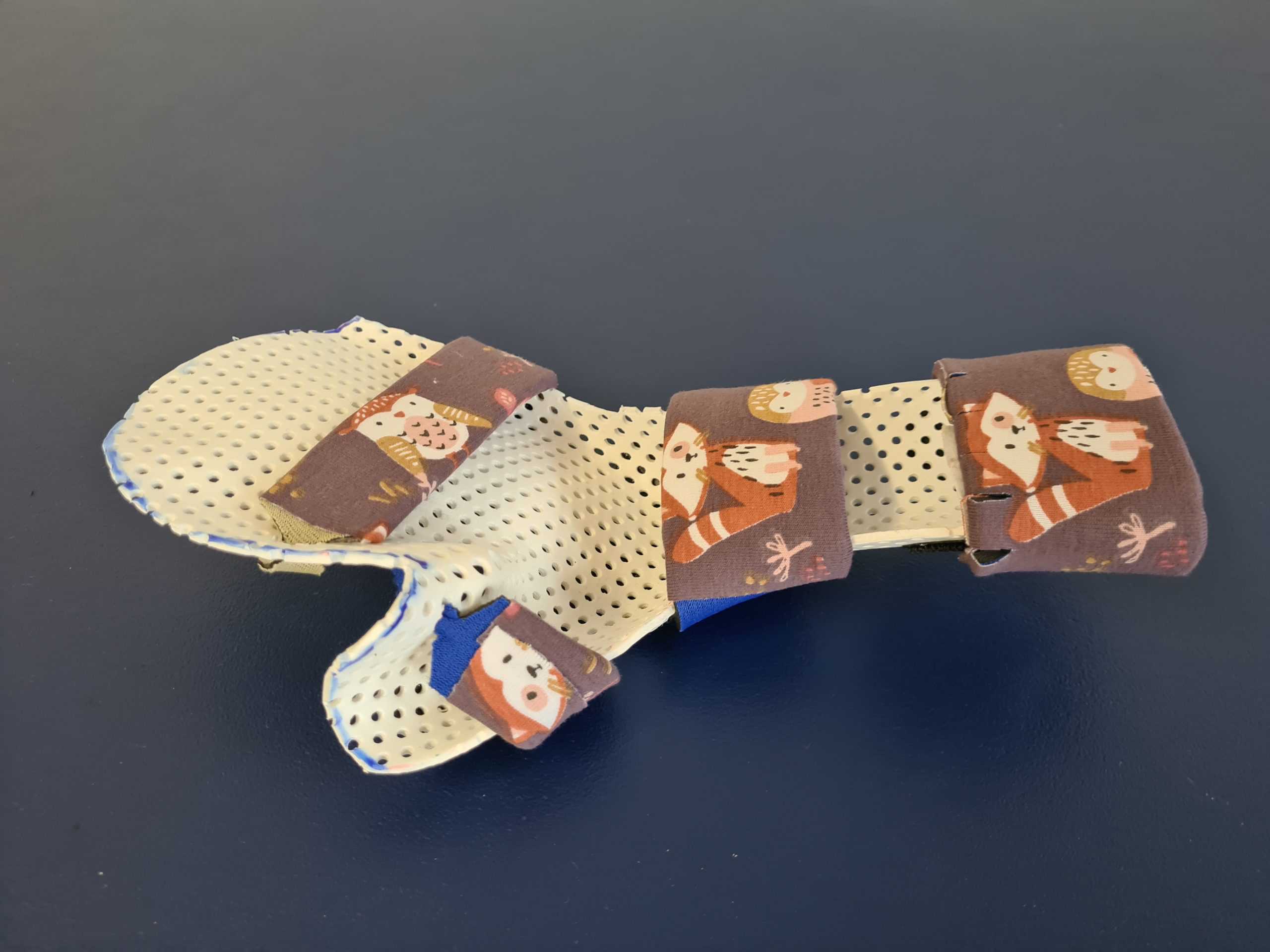
Hand splints for contracture and deformity prophylaxis in neuropaediatrics

Goal: Du kannst selbstständig einen Befund an Patient*innen durchführen, einen Entscheid über die Notwendigkeit einer Handschiene fällen und eine Handschiene herstellen. Contents:
  • Course part 1: Introduction and basics
  • Course part 2: Your findings
  • Course part 3: Production and evidence
  • Course part 4: Final test
Course language: German Target audience: Physiotherapeut*innen, Ergotherapeut*innen, Ärztinnen und Ärzte, Orthopädietechniker*innen You will need: Computer, laptop, or tablet Study time: 120 minutes Course duration: 6 months
Cover image from the foxstudy online course Mobility of the Upper Extremities

Mobility of the upper extremities in children with cerebral palsy

Goal: Dieser Kurs verbessert deine therapeutische Intervention in Hinblick auf die Mobilität (Beweglichkeit) der oberen Extremität in der Pädiatrie und gibt deiner Behandlung eine wissenschaftliche Basis. Anhand von Beispielpatient*innen und zahlreichen interaktiven Elementen macht Lernen richtig Spass. Contents:
  • Course part 1: Introduction to mobility with cerebral palsy
  • Course part 2: Fundamentals of anatomy and structural differentiation
  • Course part 3: ICF framework
  • Course part 4: Therapeutic approach and transfer to everyday life
  • Course part 5: Final test
Course language: Du kannst zwischen Deutsch und Französisch auswählen. Target audience: Physiotherapeut*innen, Ergotherapeut*innen, Pflegefachpersonen, Ärztinnen und Ärzte, Orthopädietechniker*innen. You will need: Computer, laptop, or tablet Study time: 5 hours Course duration: 6 months

Scalable Education for Therapy and Rehabilitation Departments

Trusted by therapists, doctors, and rehabilitation professionals worldwide.

Shopping cart
Cancel the contract
Cover picture Classification systemsClassification systems Cerebral palsy
 0
Scroll up