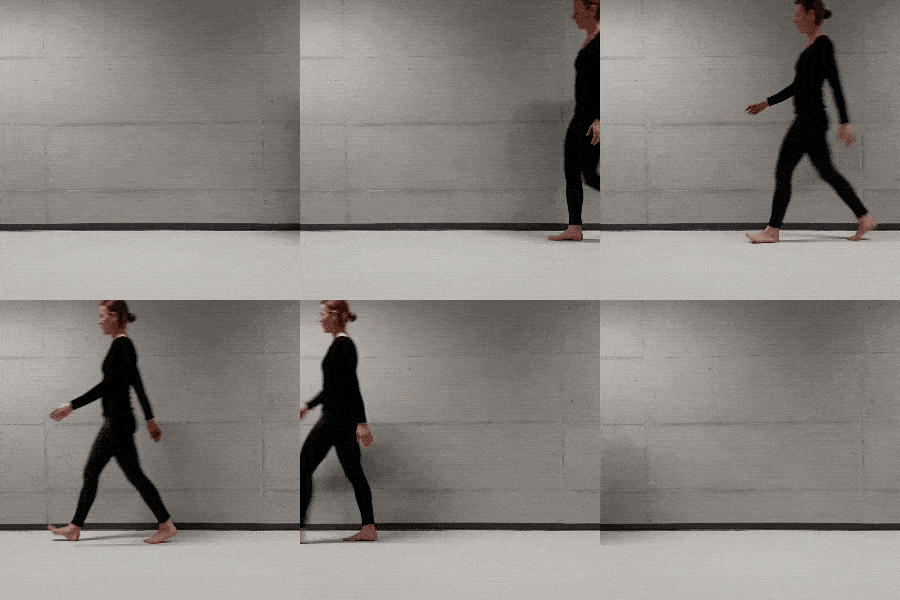

Comprendre et traiter la mastication

Ce cours te permettra d'approfondir ta compréhension de l'origine de la mastication dans les maladies neuromusculaires. Outre la biomécanique, la somatosensorialité y joue un rôle décisif.
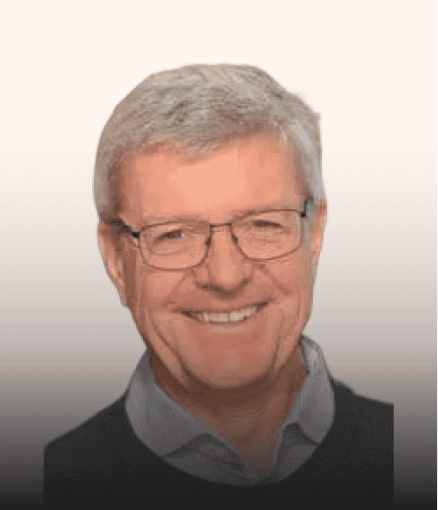
Prof. Dr. med. Reinald Brunner
5/5

 118

Course Details:

120 minutes

6 Months

Course Overview

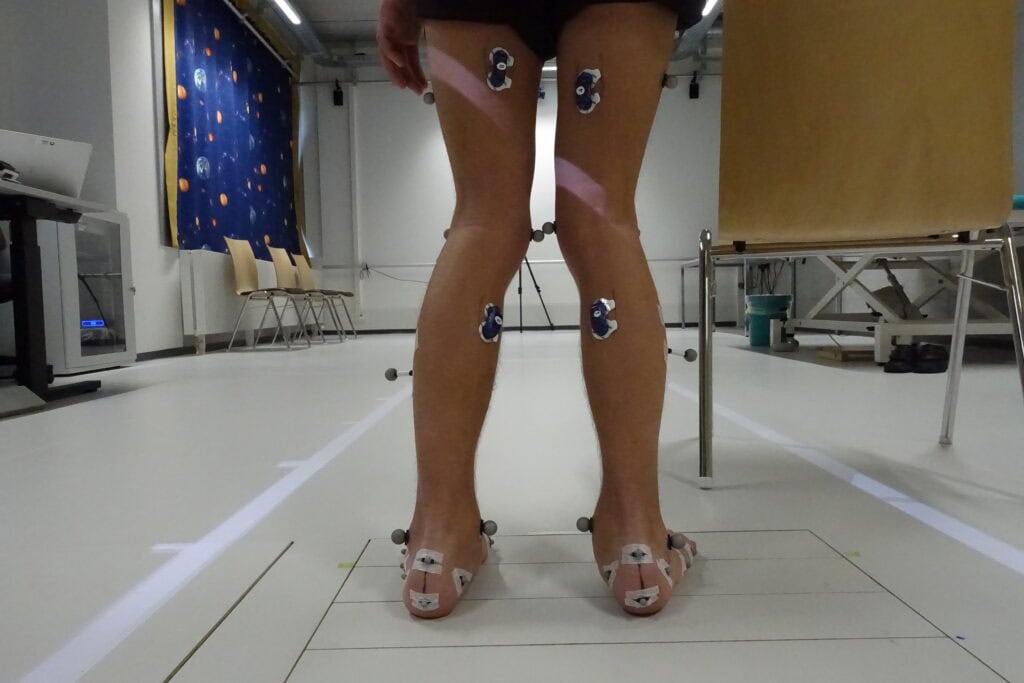
What causes crouch gait, and how can understanding its underlying mechanisms improve rehabilitation outcomes?

This course explores the complex neurological, sensory, and biomechanical factors that contribute to crouch gait, a common movement pattern in individuals with neuromuscular conditions. Rather than focusing solely on visible gait abnormalities, you’ll gain a deeper understanding of how body perception, sensory feedback, psychological safety, and motor control influence walking.

Designed for healthcare professionals working in neurorehabilitation, the course combines scientific understanding with practical therapeutic strategies to help identify contributing factors, prevent deterioration, and improve functional mobility and patient independence.

  • Analysis of crouch gait patterns
  • Neurological gait assessment
  • Sensory-informed rehabilitation
  • Prevention of gait deterioration
  • Functional movement optimisation
  • Patient education and long-term support
  • Understand the neurological and sensory mechanisms behind crouch gait
  • Explore the role of the somatosensory system in gait development
  • Identify factors contributing to crouch gait progression
  • Apply therapeutic strategies to improve functional mobility
  • Develop prevention approaches to reduce long-term deterioration

Course Content

Target Audience

Meet the Instructor

Prof. Dr. med. Reinald Brunner

Prof. Dr. med. Reinald Brunner is a leading expert in neuroorthopaedics and paediatric gait analysis. As former Head of Neuroorthopaedics and the Gait Laboratory at the University Children's Hospital Basel, he has spent decades researching gait disorders and advancing the clinical understanding of crouch gait.
His work explores the interaction between biomechanics, sensory perception, neurology, and psychological safety, helping clinicians better understand, prevent, and manage complex gait disorders in people with neuromuscular conditions.

Continuing Education Credits & Certificate

This course qualifies for continuing education credits from recognized professional associations.

Certificate

Upon completion, you will automatically receive a personalised certificate confirming your continuing education participation.

Our certificate of participation may also be submitted to professional associations as part of CPD and continuing education applications.

Évaluation globale du cours

Commentaires

Anne, le 17 février 2026
Bonnes connaissances de base, contenu du traitement manquant
La théorie était très détaillée, claire et compréhensible. Étant donné que le cours s'intitule « Comprendre et traiter la marche accroupie », je trouve qu'il manque des informations sur le traitement. De plus, je regrette de ne pas avoir la possibilité de poser des questions.
Eva le 25.08.2025
Plus d'infos sur la thérapie
J'ai aimé les bases de la mastication, mais il me manquait un concept thérapeutique.
Dominik le 01.08.2025
Agréable, stimulant et utile pour le travail quotidien
J'ai été très convaincue par la forme des apports de la formation continue en termes de méthodologie et de didactique : variée, stimulante, divertissante et efficace. Un grand merci ! Je ne peux que recommander Foxstudy !
Christina le 16.07.2025
Défendre le mal de la mastication pendant qu'il est encore temps ;-)
Passionnant, instructif et stimulant pour discuter de ses propres expériences sur le sujet

Peer Review

Christine Zehr, Pediatric physiotherapist,

CAS in Developmental Neurological Therapy Bobath Baby, Lucerne Children's Hospital

“A very well-structured and highly interesting course. It looks well beyond surgery and splinting, offering a deep and fascinating look into the subject matter.”

Ready to Improve Your Understanding of Crouch Gait?

Related Courses

Système nerveux central et autonome

Objectif : Du lernst, wie unser Zentralnervensystem aufgebaut ist und wie es funktioniert. Dabei geht es auch um Schädigungen und deren Auswirkungen auf Betroffene und Angehörige, sowie um Neuroplastizität. Contenu :
  • Première partie du cours : système nerveux central
  • Partie 2 du cours : système nerveux autonome
  • Partie 3 du cours : neuroplasticité
  • Partie 4 du cours : test final
Langue du cours : Du kannst zwischen Deutsch und Französisch wählen. Public cible :
  • thérapeutes* de tous les domaines (physiothérapie, ergothérapie, logopédie, thérapie sportive, etc.)
  • Médecins
  • Pédagogues curatifs
  • Scientifiques du mouvement
  • Infirmières et infirmiers
  • Toute personne souhaitant en savoir plus sur le système nerveux central, ses fonctions, ses lésions et sa plasticité.
Il te faut : Ordinateur, ordinateur portable ou tablette Durée de la formation: 360-500 minutes Durée d'accès au cours : 6 mois
Fléchettes dans la cible

BeSmart - Comprendre et fixer correctement les objectifs thérapeutiques

Dans ce cours, tu apprendras comment réussir à formuler des objectifs de manière professionnelle et comment les appliquer dans le quotidien de la thérapie.

Contenu :
  • Les niveaux de la CIF, en particulier les facteurs environnementaux et les facteurs liés à la personne
  • Implication des proches, ressources et barrières
  • Bottom Up et Top Down
  • Distinction entre performance et capacité
  • Indépendant - qu'est-ce que cela signifie pour l'objectif ?
  • SMART
  • Test final
Langue du cours : allemand Public cible :
  • thérapeutes* de tous les domaines (physiothérapie, ergothérapie, logopédie, thérapie sportive, etc.)
  • Infirmières et infirmiers
  • Médecins (crédits CME)
  • Pédagogues curatifs
  • Scientifiques du mouvement
Il te faut : Ordinateur, ordinateur portable ou tablette Durée de la formation: 60 minutes Durée d'accès au cours : 6 mois
Photo de couverture du cours en ligne foxstudy Marche naturelle

Marche normale - séquence de mouvements et fonction musculaire

Ziel: Die Grundlagen der Ganganalyse so erklärt, dass du sie in dein Clinical Reasoning integrieren kannst. Inhalt: Kursteil 1: Natürliches Gangbild Kursteil 2: Instrumentierte Ganganalyse Kursteil 3: Bewegungsplanung & muskuläre Kontrolle Kursteil 4: Abschlusstest Kurssprache: Deutsch Zielpublikum: Alle Berufsgruppen, die sich mit dem Gangbild beschäftigen, also bspw.: Physiotherapeut*innen, Sporttherapeut*innen, Ärztinnen und Ärzte, Bewegungswissenschaftler*innen, Orthopädietechniker*innen, usw. Du benötigst: Computer, Laptop oder Tablet Lernzeit: 150 Minuten Nutzungsdauer des Kurses: 6 Monate

Scalable Education for Therapy and Rehabilitation Departments

Trusted by therapists, medical doctors and rehabilitation professionals worldwide.

Panier d'achat
Résilier le contrat
Comprendre et traiter la masticationComprendre et traiter la mastication
 118
Faire défiler vers le haut