



Specialised Training for Rehabilitation Professionals
Evidence-based online courses in neurorehabilitation, pediatric rehabilitation, functional training, and rehabilitation training — designed for healthcare professionals seeking practical continuing education.
- Self-Paced Learning
- Evidence-Based Training
- Directly Applicable To Clinical Practice
Browse Courses By Level: From Foundational Concepts to Advanced Clinical Applications
Central and autonomic nervous system
- Course part 1: Central nervous system
- Course part 2: Autonomic nervous system
- Course part 3: Neuroplasticity
- Course part 4: Final test
- Therapists from all areas (physiotherapy, occupational therapy, speech therapy, sports therapy, etc.)
- Doctors and physicians
- Curative educators
- Movement scientists
- Nurses
- Anyone who wants to learn more about the central nervous system, its functions, damage and plasticity.
- 360-500 minutes
- Multilingual
Craniomandibular Dysfunction (CMD): Assessment & Treatment
- Introduction to the Topic
- Background CMD
- Anatomy, Physiology & Pathophysiology
- From the Medical History to the Assessments
- Craniomandibular & Craniofacial Treatment
- Craniocervical and Thoracic Treatment
- Integrative Clinical Reasoning in the Treatment of CMD
- Short knowledge check
- Physical therapists
- Occupational therapists
- movement scientists
- Doctors and physicians
- Nurses
- 240 minutes
- Multilingual
Neuro-centered training – an introduction
- Explanations of terms
- input systems
- Basic requirements & mindset
- Neuroplasticity & Training
- Knowledge check
- Physical therapists
- Occupational therapists
- Sports therapists
- movement scientists
- Doctors and physicians
- All individuals interested in neurocentric training
- 90 minutes
- German
Integration of neurodynamics into neurorehabilitation (INN®) Expert 2: Neurodynamic tests
- Course part 1: Test basics
- Course part 2: Tests of the lower extremities and trunk
- Course part 3: Tests of the upper extremity
- Therapists from all areas (physiotherapy, occupational therapy, speech therapy, sports therapy, etc.)
- Doctors and physicians
- Curative educators
- Movement scientists
- Anyone who works with people with a brain lesion and would like to know more about the relationship between structure, function, activity and independence.
- 360 minutes
- German

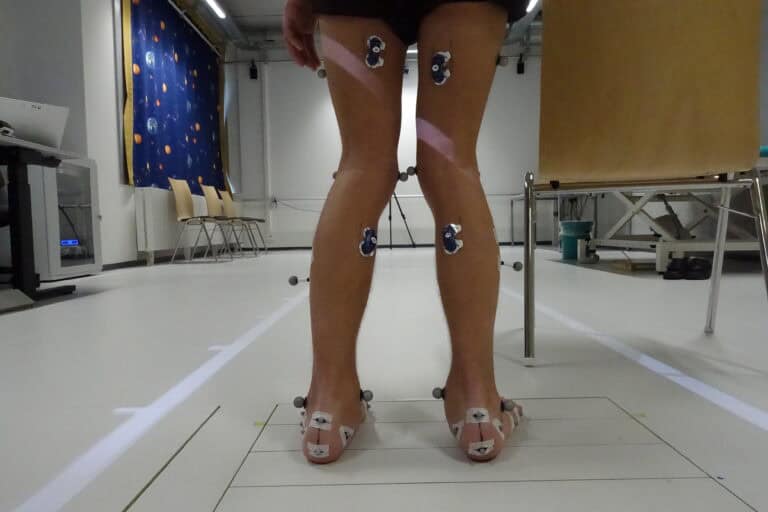
Understanding & treating crouch gait
Goal: You will be able to analyze and understand the components that lead to the crouch gait. You will recognize the influence of the sensory system and be able to derive therapeutic strategies from this - enabling you to strengthen your patients' functional abilities, prevent relapses and support lasting changes.
Contents:-
- Introduction to the topic
- Somatosensory system & crouch gait
- Development of the crouch gait
- Treatment & prophylaxis for crouch gait
- Final test
- 120 minutes
- German
Low vision: basics, diagnostics & support measures
In this course, you will learn what "low vision" really means and how visual impairments affect everyday life. Learn to better understand the behavior of affected people and how to provide them with targeted support.
Contents:-
- Introduction to the topic
- Definitions & terms
- Development & deviations of vision
- Examination & therapy
- Support measures & help in everyday life
- Short knowledge check
- 90 minutes
- Multilingual
Seahorse training - sweat, fun and good company
In this course, you will learn about the key elements for the well-being of children with mental health issues.
Contents:-
-
Introduction to the topic
-
Mental health in children and adolescents
-
Nervous system under constant stress
-
Seahorse training
-
Short knowledge check
-
- 45 minutes
- German
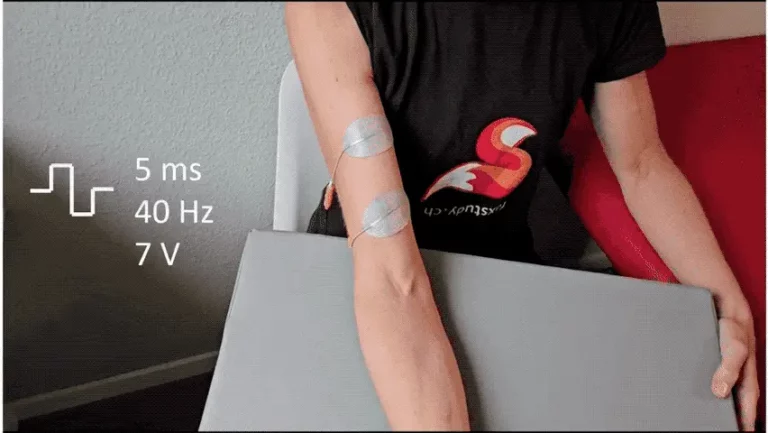
Understanding and using modern electrostimulation
In this course you will learn about electrostimulation and how it can be used in everyday therapy.
Contents:- Introduction to electrostimulation
- Electrical stimulation for damage to the 1st motor neuron
- Electrical stimulation for damage to the 2nd motor neuron
- Evidence of electrical stimulation
- Final test
- 90 minutes
- German
BeSmart - Understanding therapeutic goals and setting them correctly
In this course you will learn how to formulate goals professionally and apply them in everyday therapy.
Contents:- The ICF levels, in particular environmental factors and personal factors
- Involvement of relatives, resources and barriers
- Bottom up and top down
- Distinction between performance and capacity
- Independent - what does this mean for the target?
- SMART
- Final test
- Therapists from all areas (physiotherapy, occupational therapy, speech therapy, sports therapy, etc.)
- Nurses
- Doctors (CME credits)
- Curative educators
- Movement scientists
- 60 minutes
- German
Integration of Neurodynamics in Neurorehabilitation (INN®) Expert 1: Basics, Development and Application
- Course part 1: Basics, development & application
- Course part 2: Peripheral nervous system
- Course part 3: Nervous system as a unit
- Course part 4: Final test
- Therapists from all areas (physiotherapy, occupational therapy, speech therapy, sports therapy, etc.)
- Doctors and physicians
- Curative educators
- Movement scientists
- Anyone who works with people with a brain lesion and would like to know more about the relationship between structure, function, activity and independence.
- 240 minutes
- German
Classification systems Cerebral palsy
Gain an overview of the currently available classification systems for people with cerebral palsy with this free course. We have also added a chapter on the scientific basis so that you are fully informed about the current study situation.
Course language: German Target audience: Physiotherapeut*innen, Ergotherapeut*innen, Ärztinnen und Ärzte, Sporttherapeut*innen, Pädagog*innen, Neuropsycholog*innen, Pflegefachpersonen und alle, die unsere foxstudy Kurse besser kennenlernen möchten. You will need: Computer, Laptop, Tablet oder Mobiltelefon Study time: 30 minutes Course duration: 6 months- 30 minutes
- German
Executive functions and their relevance in everyday life
- Course part 1: Introduction and neuroanatomy
- Course part 2: Classification of executive functions
- Course part 3: (School/professional) everyday life & risk groups
- Course part 4: Diagnostics & support/therapy
- Course part 5: Final test
- 120 minutes
- German
Central and autonomic nervous system
- Course part 1: Central nervous system
- Course part 2: Autonomic nervous system
- Course part 3: Neuroplasticity
- Course part 4: Final test
- Therapists from all areas (physiotherapy, occupational therapy, speech therapy, sports therapy, etc.)
- Doctors and physicians
- Curative educators
- Movement scientists
- Nurses
- Anyone who wants to learn more about the central nervous system, its functions, damage and plasticity.
- 360-500 minutes
- Multilingual
Craniomandibular Dysfunction (CMD): Assessment & Treatment
- Introduction to the Topic
- Background CMD
- Anatomy, Physiology & Pathophysiology
- From the Medical History to the Assessments
- Craniomandibular & Craniofacial Treatment
- Craniocervical and Thoracic Treatment
- Integrative Clinical Reasoning in the Treatment of CMD
- Short knowledge check
- Physical therapists
- Occupational therapists
- movement scientists
- Doctors and physicians
- Nurses
- 240 minutes
- Multilingual
Low vision: basics, diagnostics & support measures
In this course, you will learn what "low vision" really means and how visual impairments affect everyday life. Learn to better understand the behavior of affected people and how to provide them with targeted support.
Contents:-
- Introduction to the topic
- Definitions & terms
- Development & deviations of vision
- Examination & therapy
- Support measures & help in everyday life
- Short knowledge check
- 90 minutes
- Multilingual
Understanding and using modern electrostimulation
In this course you will learn about electrostimulation and how it can be used in everyday therapy.
Contents:- Introduction to electrostimulation
- Electrical stimulation for damage to the 1st motor neuron
- Electrical stimulation for damage to the 2nd motor neuron
- Evidence of electrical stimulation
- Final test
- 90 minutes
- German
Executive functions and their relevance in everyday life
- Course part 1: Introduction and neuroanatomy
- Course part 2: Classification of executive functions
- Course part 3: (School/professional) everyday life & risk groups
- Course part 4: Diagnostics & support/therapy
- Course part 5: Final test
- 120 minutes
- German
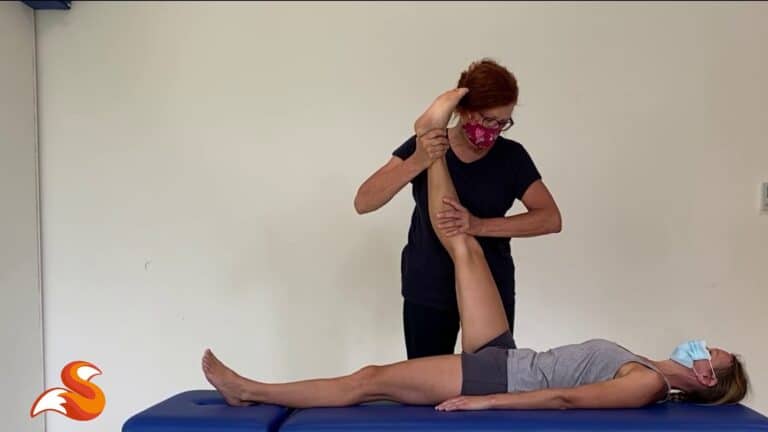
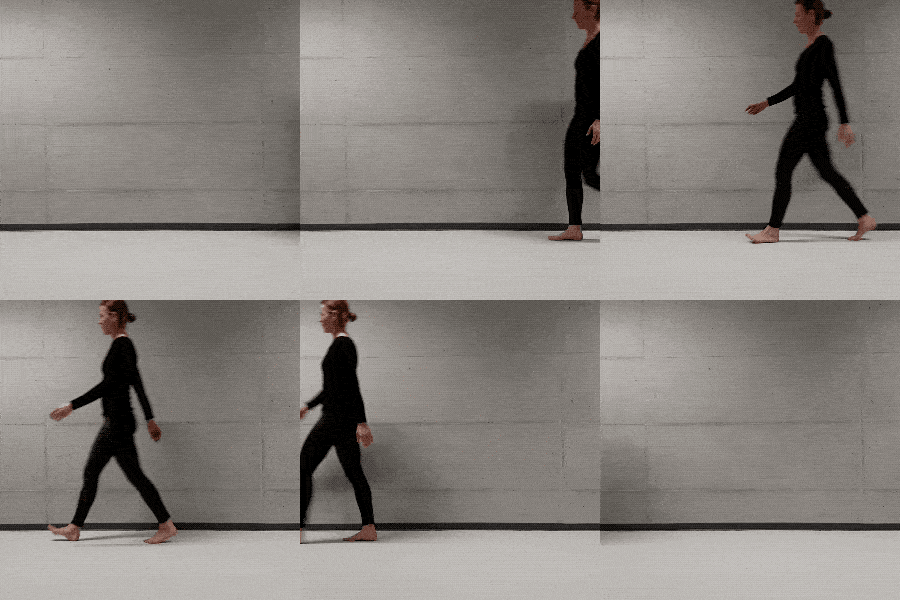
Normal walking - movement sequences and muscle function
- 150 minutes
- German
Mobility of the upper extremities in children with cerebral palsy
- Course part 1: Introduction to mobility with cerebral palsy
- Course part 2: Fundamentals of anatomy and structural differentiation
- Course part 3: ICF framework
- Course part 4: Therapeutic approach and transfer to everyday life
- Course part 5: Final test
- 300 minutes
- German
Neuro-centered training – an introduction
- Explanations of terms
- input systems
- Basic requirements & mindset
- Neuroplasticity & Training
- Knowledge check
- Physical therapists
- Occupational therapists
- Sports therapists
- movement scientists
- Doctors and physicians
- All individuals interested in neurocentric training
- 90 minutes
- German
BeSmart - Understanding therapeutic goals and setting them correctly
In this course you will learn how to formulate goals professionally and apply them in everyday therapy.
Contents:- The ICF levels, in particular environmental factors and personal factors
- Involvement of relatives, resources and barriers
- Bottom up and top down
- Distinction between performance and capacity
- Independent - what does this mean for the target?
- SMART
- Final test
- Therapists from all areas (physiotherapy, occupational therapy, speech therapy, sports therapy, etc.)
- Nurses
- Doctors (CME credits)
- Curative educators
- Movement scientists
- 60 minutes
- German
Understanding and applying the ICF
- The description of the ICF
- The bio-psycho-social model
- Diagnosis and ICF in context
- Thinking model and application
- Final test
- 60 minutes
- German
Integration of neurodynamics into neurorehabilitation (INN®) Expert 2: Neurodynamic tests
- Course part 1: Test basics
- Course part 2: Tests of the lower extremities and trunk
- Course part 3: Tests of the upper extremity
- Therapists from all areas (physiotherapy, occupational therapy, speech therapy, sports therapy, etc.)
- Doctors and physicians
- Curative educators
- Movement scientists
- Anyone who works with people with a brain lesion and would like to know more about the relationship between structure, function, activity and independence.
- 360 minutes
- German
Understanding & treating crouch gait
Goal: You will be able to analyze and understand the components that lead to the crouch gait. You will recognize the influence of the sensory system and be able to derive therapeutic strategies from this - enabling you to strengthen your patients' functional abilities, prevent relapses and support lasting changes.
Contents:-
- Introduction to the topic
- Somatosensory system & crouch gait
- Development of the crouch gait
- Treatment & prophylaxis for crouch gait
- Final test
- 120 minutes
- German
Integration of Neurodynamics in Neurorehabilitation (INN®) Expert 1: Basics, Development and Application
- Course part 1: Basics, development & application
- Course part 2: Peripheral nervous system
- Course part 3: Nervous system as a unit
- Course part 4: Final test
- Therapists from all areas (physiotherapy, occupational therapy, speech therapy, sports therapy, etc.)
- Doctors and physicians
- Curative educators
- Movement scientists
- Anyone who works with people with a brain lesion and would like to know more about the relationship between structure, function, activity and independence.
- 240 minutes
- German
AFH Workshop: Hand splints for contracture and deformity prophylaxis in neuropaediatrics
- Course part 1: Introduction and basics
- Course part 2: Your findings
- Course part 3: Production and evidence
- Course part 4: Final test
- German
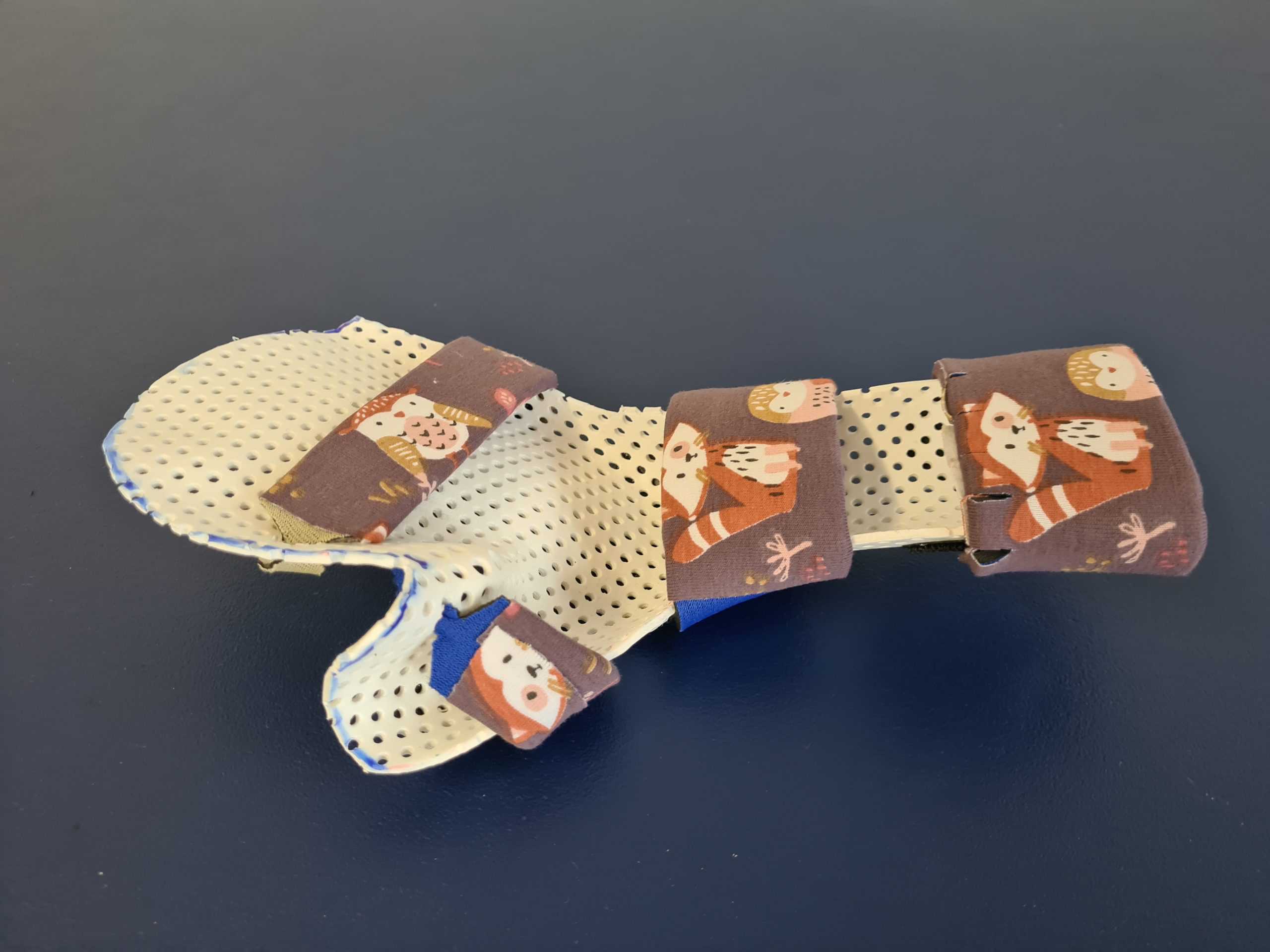
Hand splints for contracture and deformity prophylaxis in neuropaediatrics
- Course part 1: Introduction and basics
- Course part 2: Your findings
- Course part 3: Production and evidence
- Course part 4: Final test
- 120 minutes
- German
Seahorse training - sweat, fun and good company
In this course, you will learn about the key elements for the well-being of children with mental health issues.
Contents:-
-
Introduction to the topic
-
Mental health in children and adolescents
-
Nervous system under constant stress
-
Seahorse training
-
Short knowledge check
-
- 45 minutes
- German
Classification systems Cerebral palsy
Gain an overview of the currently available classification systems for people with cerebral palsy with this free course. We have also added a chapter on the scientific basis so that you are fully informed about the current study situation.
Course language: German Target audience: Physiotherapeut*innen, Ergotherapeut*innen, Ärztinnen und Ärzte, Sporttherapeut*innen, Pädagog*innen, Neuropsycholog*innen, Pflegefachpersonen und alle, die unsere foxstudy Kurse besser kennenlernen möchten. You will need: Computer, Laptop, Tablet oder Mobiltelefon Study time: 30 minutes Course duration: 6 months- 30 minutes
- German
Need Training for Your Healthcare Team?
Flexible online rehabilitation courses designed to support continuing education, clinical growth, and modern patient care across healthcare teams.
Flexible for Busy Schedules
Self-paced courses that fit around patient appointments and a full day in the practice.
CPD-Accredited Courses
One Shared Approach
Get every clinician working from the same treatment frameworks for consistent care across the whole team.
Built for Healthcare Organisations
Made for clinics, therapy practises and rehab teams.
Scalable Education for Therapy and Rehabilitation Departments
Trusted by therapists, doctors, and rehabilitation professionals worldwide.
"The course is very well structured, contains a lot of theoretical knowledge and is also put directly into practice with the two case studies. I am looking forward to being able to apply the knowledge I have acquired."

"I found the course very exciting, with a logical flow and lots of good suggestions for everyday life."

"Balanced relationship between theory and practice, knowledge transfer and self-control, very exciting and instructive!"

"Fox reading aloud, multiple-choice questions to answer, video explanations and drawings make it varied, interesting and exciting! Bravo"

"The training is very well structured and organized. Good repetition of the anatomy and subsequent explanation for splint construction."

"Thank you very much for this free course. I only knew the GMFCS and the MACS level before. But as a speech therapist, the CFCS is also very interesting for me. "

"Super good concept and great structure, the questions in the final test could vary a little from the course content to really check understanding."

"Best lesson in cerebral palsy for the upper extremities I have ever had in 35 years of professional experience!"

"I really liked the patient examples. As well as the repetition with the questions. Overall, it was a great, intensive course that lasted more than 8 hours 😉 "

"The course is very well structured, contains a lot of theoretical knowledge and is also put directly into practice with the two case studies. I am looking forward to being able to apply the knowledge I have acquired."

"I have realized how important neurodynamics is in neurological rehabilitation and will approach my patients with a different mindset in the future. Thank you for the good overview and the interactive structure. The individual patient examples were also very helpful."

"Thank you for such a valuable tool! I appreciate the high standard of clear, evidence-based and practical presentation - it's a success. And of course I'm delighted that it doesn't cost anything, which makes it easy to spread the word."

"I was hoping for an update on the subject of neuroplasticity. I have now learned a lot of new things that can be clearly related to practice. I really appreciated the fact that I was able to work through the lessons more than once and interrupt them at any time."

"The course was very intensive, took me longer than 5 hours of study and helped me a lot with my understanding. I think home study with free time organization is great!"